Description
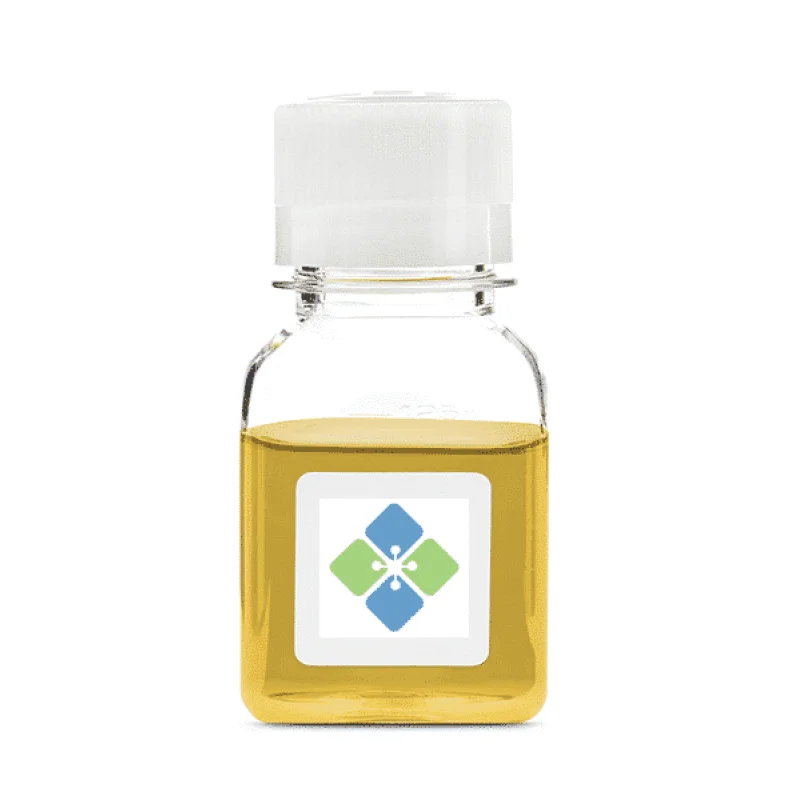
Feline Serum (Non Sterile)
| Catalog | B2013217 |
| Lot | Batch dependent |
| Expiration | Batch dependent |
| Amount | 50 mL |
| Concentration | N/A |
| Supplied as | Serum |
| Storage | -20C |
| Keywords | Non-Sterile Feline Serum |
| Grade | Biotechnology grade; filtered through 0.22 m; prepared with Type I ultrapure water (>18 Mcm) |
Feline Serum (Non Sterile) is a biotechnology-grade biofluid collected from healthy cats and supplied in 50 mL aliquots. This reagent is ideal for in vitro applications requiring native serum components, including protein profiling, immunoassay development, and veterinary biomarker research. While non-sterile, the serum is highly pure and processed using Type I ultrapure water and 0.22 m filtration to ensure consistency across batches.
Researchers use feline serum in a wide range of studies, including infectious disease modeling, cytokine profiling, proteomics, and diagnostic assay validation. It has been referenced in investigations of feline parvovirus, cytauxzoonosis, chronic kidney disease, and mammary carcinoma. The serum supports both exploratory and translational research, particularly in veterinary pathology and comparative medicine. It is also suitable for evaluating acute-phase proteins, pancreatic lipase immunoreactivity, and fibroblast growth factor-23 concentrations. All applications must comply with RUO guidelinesthis product is not intended for use in humans or animals.
Key benefits:
- Native feline serum for veterinary and comparative research
- Validated in infectious, renal, dermatological, and oncological studies
- Non-sterile but highly pure and filtered for reproducibility
- Stable at -20C; supplied in 50 mL aliquots
- RUO-compliant: not for clinical or veterinary use
Indication for Use:
This product is for Research Use Only (RUO). It is not intended for human or animal use, diagnostic procedures, or therapeutic applications.
References:
- Stuetzer B, Hartmann K. Feline parvovirus infection and associated diseases. Vet J. 2014 Aug;201(2):1505.
- Schnelle AN et al. Characterization of feline serum-cobalt binding. Vet Clin Pathol. 2015 Jun;44(2):27586.
- Kastl BC, Springer NL. Serum biochemical changes in cats with naturally acquired feline cytauxzoonosis. J Am Vet Med Assoc. 2023 Jan 19;261(4):517525.
- Xenoulis PG et al. Serum feline pancreatic lipase immunoreactivity and trypsin-like immunoreactivity in cats with chronic kidney disease. J Vet Intern Med. 2021 Nov;35(6):28212827.
- Vargo C et al. Characterisation of the serum cytokine profile in feline atopic skin syndrome. Vet Dermatol. 2021 Oct;32(5):485e133.
- Zheng JS et al. Serum proteomics analysis of feline mammary carcinoma. J Vet Sci. 2020 May;21(3):e45.
- Wang L et al. Feline thymidine kinase 1: molecular characterization and serum biomarker evaluation. BMC Vet Res. 2021 Sep 27;17(1):316.
- Waugh EM et al. Validation of an immunoturbidimetric assay for feline serum amyloid A. BMC Vet Res. 2022 Sep 28;18(1):359.
- Krasztel MM et al. Accuracy of acute-phase proteins in identifying cats with increased serum feline pancreatic lipase. Vet Clin Pathol. 2022 Mar;51(1):93100.
- Miyakawa H et al. Measurement of canine and feline serum FGF-23 by chemiluminescence immunoassay. J Vet Med Sci. 2022 Feb 23;84(2):257260.