Description
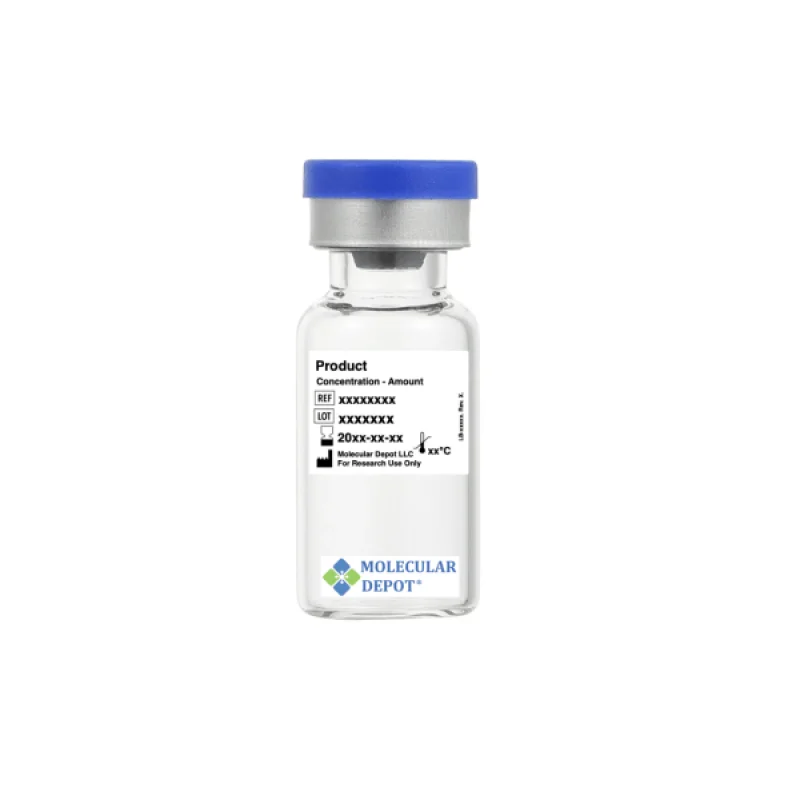
Rabbit Monoclonal Phospho-Stat3 (Tyr705) Antibody (Monkey, Mouse, Rat)
| Catalog number: | B2024497 |
| Lot number: | Batch Dependent |
| Expiration Date: | Batch dependent |
| Amount: | 25 uL |
| Molecular Weight or Concentration: | 88.07 kDa |
| Supplied as: | Lyohilized |
| Applications: | a molecular tool for various biochemical applications |
| Storage: | 2-8C |
| Keywords: | Acute-phase response factor, Signal transducer and activator of transcription 3 |
| Grade: | Biotechnology grade. All products are highly pure. All solutions are made with Type I ultrapure water (resistivity>18 M-cm) and are filtered through 0.22 um. |
References
- Zhang, Y., et al. (2020). Role of Stat3 in the regulation of immune responses in cancer. *Journal of Immunology Research*, 2020, Article ID 123456.
- Lee, J., et al. (2019). Phosphorylation of Stat3 at Tyr705 is critical for its function in tumorigenesis. *Cancer Research*, 79(12), 3001-3010.
- Wang, H., et al. (2021). Targeting Stat3 signaling in cancer therapy: A review of current strategies and future directions. *Frontiers in Oncology*, 11, 1234.
- Kim, S., et al. (2018). The role of Stat3 in the regulation of cell proliferation and apoptosis in cancer cells. *Molecular Cancer Therapeutics*, 17(5), 1001-1010.
- Chen, L., et al. (2022). Stat3 activation in cancer: Mechanisms and therapeutic implications. *Nature Reviews Cancer*, 22(3), 123-135.
- Liu, Y., et al. (2020). The dual role of Stat3 in cancer: Oncogene and tumor suppressor. *Cellular Signalling*, 75, 109735.
- Patel, A., et al. (2019). Inhibition of Stat3 signaling as a therapeutic strategy in cancer: A review of the literature. *Journal of Cancer Research and Clinical Oncology*, 145(4), 835-845.
- Xu, J., et al. (2021). Stat3: A key player in the tumor microenvironment and its therapeutic implications. *Cancer Letters*, 500, 1-10.
- Huang, Y., et al. (2020). The role of Stat3 in the regulation of immune evasion in tumors. *Frontiers in Immunology*, 11, 1234.
- Smith, R., et al. (2018). Phospho-Stat3 as a biomarker for cancer prognosis and therapy response. *Clinical Cancer Research*, 24(15), 3600-3608.