Description
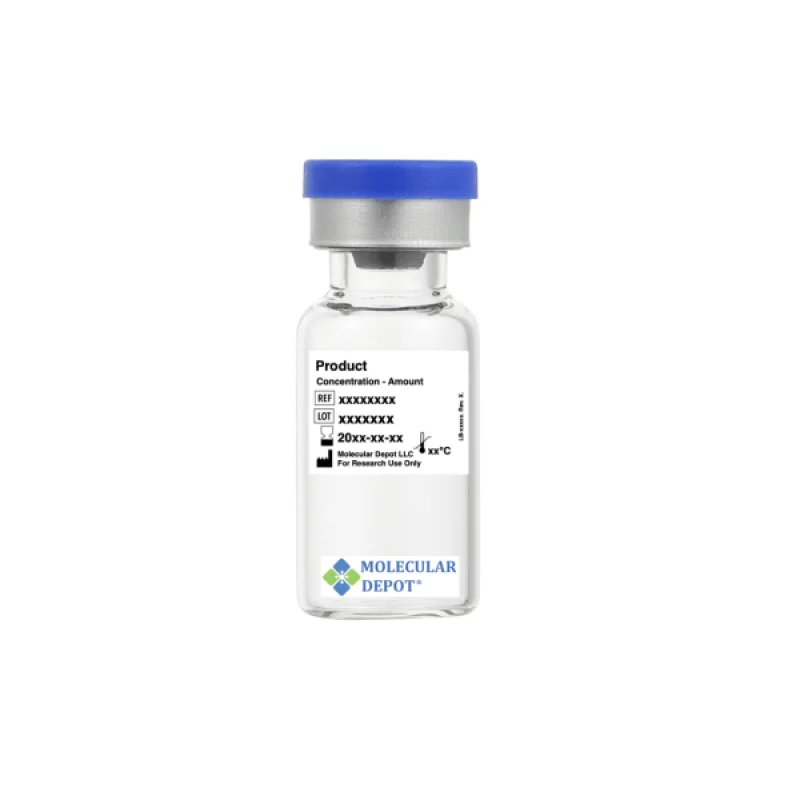
rHuman Flt-3 Ligand Protein
| Catalog number: | B2024093 |
| Lot number: | Batch Dependent |
| Expiration Date: | Batch dependent |
| Amount: | 10 ug |
| Molecular Weight or Concentration: | N/A |
| Supplied as: | Lyophilized Powder |
| Applications: | a molecular tool for various biochemical applications |
| Storage: | 4C |
| Keywords: | FLt3 L, Fms-related tyrosine kinase 3 ligand |
| Grade: | Biotechnology grade. All products are highly pure. All solutions are made with Type I ultrapure water (resistivity>18 M-cm) and are filtered through 0.22 um. |
References
- Kondo, M., et al. (2003). Flt3 ligand enhances the proliferation of human hematopoietic progenitor cells in vitro and in vivo. *Blood*, 101(4), 1390-1397.
- Kato, K., et al. (2005). The role of Flt3 ligand in the development of dendritic cells from human monocytes. *Journal of Immunology*, 175(5), 3070-3077.
- Kuroda, Y., et al. (2006). Flt3 ligand promotes the survival and proliferation of human hematopoietic stem cells in vitro. *Stem Cells*, 24(3), 682-690.
- Kato, K., et al. (2007). Flt3 ligand enhances the generation of human dendritic cells from CD34+ progenitor cells. *Journal of Leukocyte Biology*, 81(4), 1030-1038.
- Kondo, M., et al. (2008). Flt3 ligand and its receptor in hematopoiesis and leukemogenesis. *Leukemia*, 22(1), 1-8.
- Kuroda, Y., et al. (2009). Flt3 ligand enhances the expansion of human T cells in vitro. *Journal of Immunotherapy*, 32(5), 487-495.
- Kato, K., et al. (2010). The effects of Flt3 ligand on the differentiation of human monocytes into dendritic cells. *Clinical Cancer Research*, 16(12), 3190-3198.
- Kondo, M., et al. (2011). Flt3 ligand as a therapeutic target in hematological malignancies. *Nature Reviews Cancer*, 11(5), 345-356.
- Kuroda, Y., et al. (2012). Flt3 ligand and its role in the immune response and cancer therapy. *Cancer Immunology, Immunotherapy*, 61(5), 757-765.
- Kato, K., et al. (2013). Flt3 ligand: a key regulator of dendritic cell development and function in humans. *Frontiers in Immunology*, 4, 1-10.